
Toosikannu Nature Resort – in the Heart of Estonia’s Wild Nature
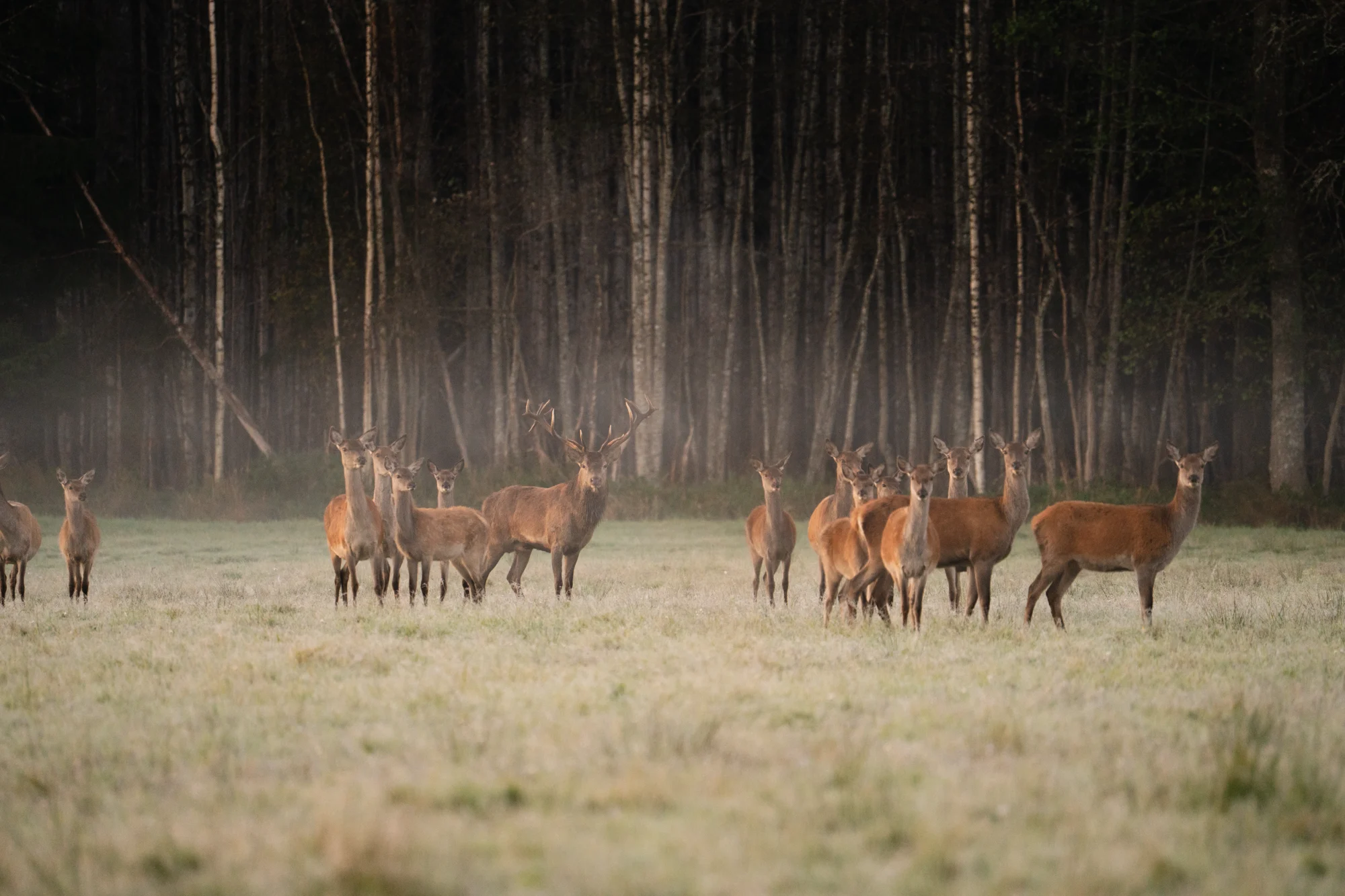
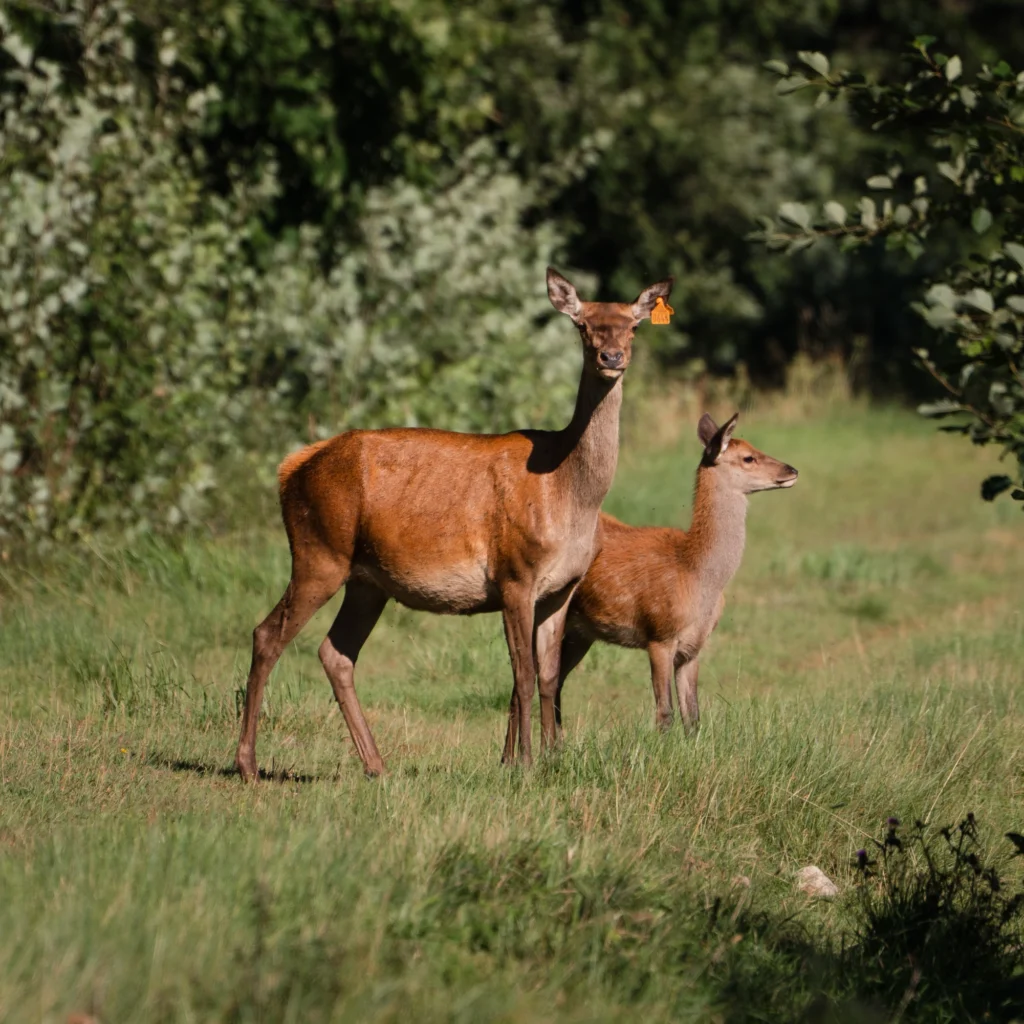
Toosikannu is a true deer kingdom. Nearly 500 red deer live here alongside mouflons, roe deer, small mammals and numerous bird species. Vast forests and open meadows support a rich variety of wildlife, inviting you to experience the rhythms of nature up close.
Estonia’s Largest Private Wildlife Park
Toosikannu Nature Park was established in 2013 as Estonia’s largest privately owned wildlife park.
Located on the border of Järva and Rapla counties, the grounds encompass 12 historic farmsteads. Two of them—Karupahna and Ale-Sepa—remain in use as holiday retreats. The former farmsteads are marked by old bus stop signs scattered throughout the park, serving as small reminders of the landscape’s history.
Toosikannu covers 928 hectares, 800 of which belong to the wildlife park. This vast and biodiverse landscape is home to nearly 500 wild red deer, as well as roe deer, mouflons and many other woodland animals and birds.
The Red Deer – Symbol of Toosikannu Nature Park
The red deer (Cervus elaphus) is one of Europe’s most impressive hoofed mammals. An adult stag usually weighs between 160 and 200 kilograms, although some can reach up to 300 kilograms. Its body may grow to 230 centimetres in length, with a shoulder height of up to 150 centimetres.
The stag’s most distinctive feature is its magnificent branching antlers. Old antlers are shed each spring, usually around March, and a new set grows by summer—sometimes weighing as much as 10 kilograms.
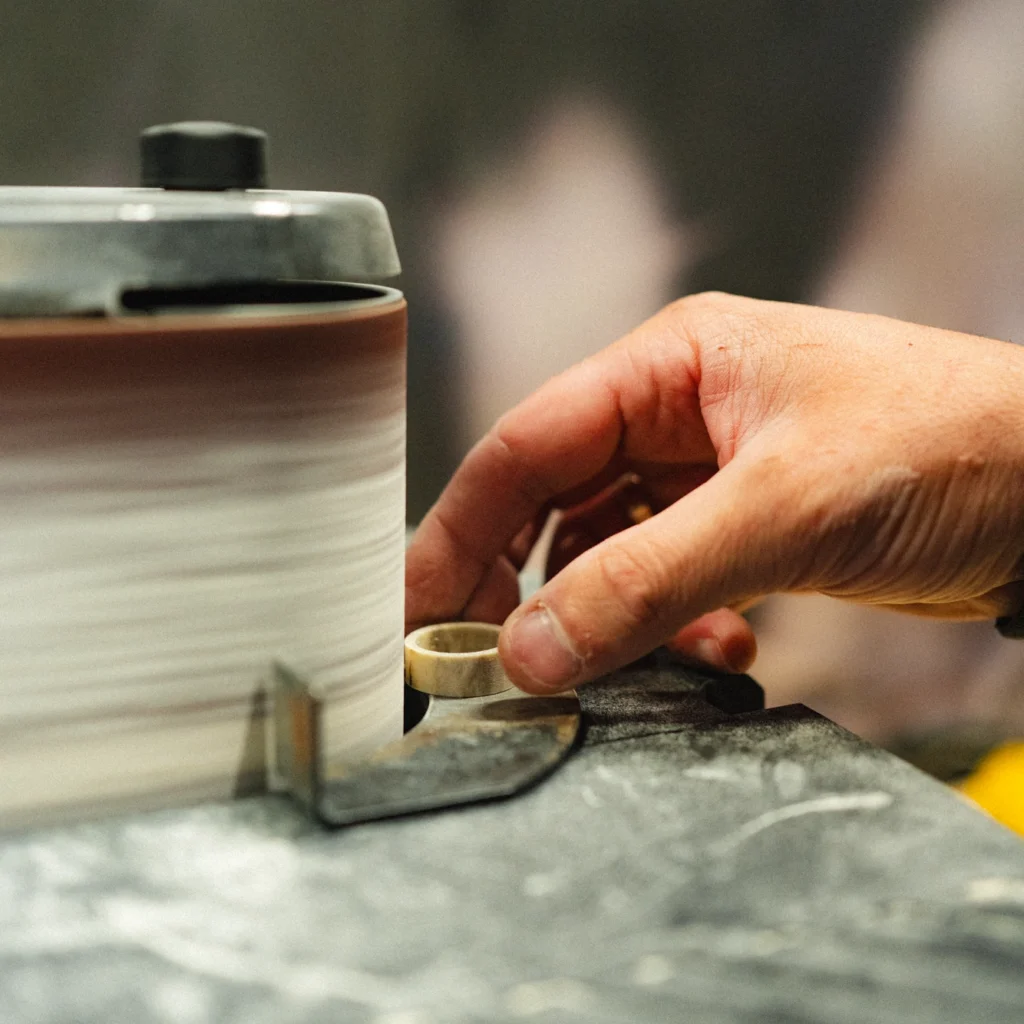
We collect the naturally shed antlers and give them new life in our antler workshops and handcrafted keepsakes.
The Natural Life of Red Deer
Red deer are herbivores, and their diet changes with the seasons. In summer, they graze on fresh grass, leaves and young shoots. In autumn, berries and fallen leaves are added to their diet. During winter, they eat grasses, mosses and the hay and silage provided at Toosikannu.
The landscape of Toosikannu Nature Park has been carefully managed to support the natural life cycle of red deer. Open pastures provide food, while dense woodland offers shelter, tranquillity and protection from the wind. Fields and grasslands are thoughtfully maintained, forestry work is carefully planned, and feeding areas help ensure the animals thrive throughout the year.
Wildlife of Toosikannu Nature Park
Red deer
Red deer are herbivores and feed mainly on plants, mosses, bark and needles. Their mating season usually takes place in September and October. Fawns are usually born between April and May and leave their mothers after only a handful of months.
Mouflon
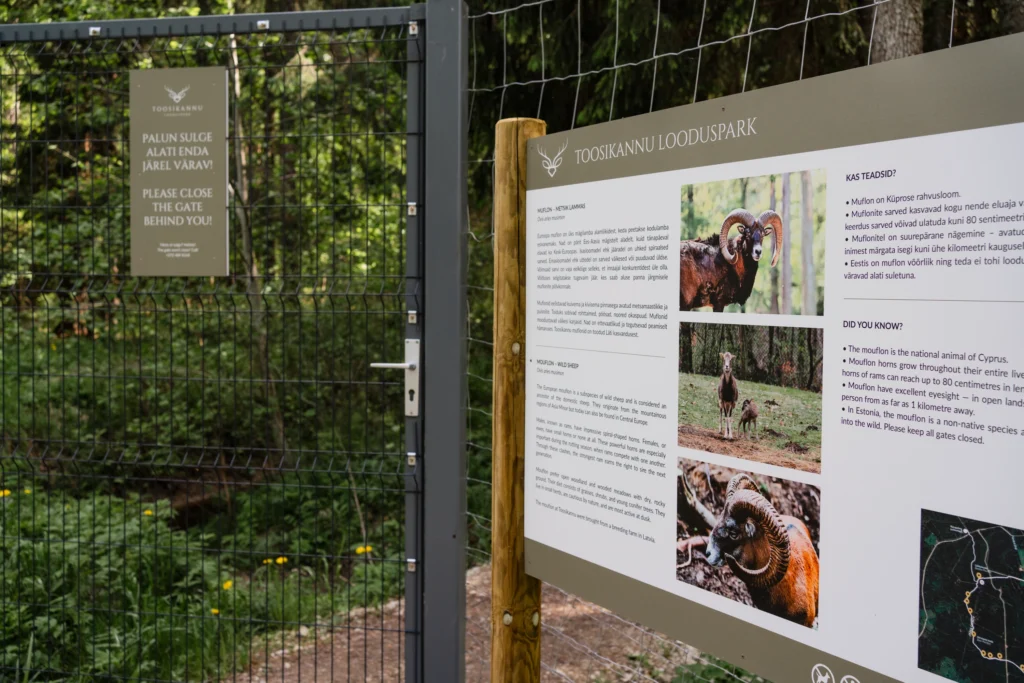
The mouflon is a wild sheep that feeds mainly on grasses, shrubs and young conifers. They are well adapted to different habitats. The mouflon has strong curved horns, which are mainly used for fights during mating season and as markers. The mating season for mouflons usually occurs in September and October. Offspring are born in April or early May and leave their mothers after a few months.
Elk
Elk are the largest wild animal native to Estonia and representatives of the deer family, known for their long legs and large head. Elk are solitary or move in small groups and prefer wet habitats. They feed on woody plants, needles and grasses and, if necessary, aquatic plants. Their mating season is in August and September and calves are born in early May. Young animals tend to die due to predators or drowning. The main enemies of elk are wolves and bears, while disease poses less of a risk.
Roe deer
The roe deer is a small deer found in abundance in Estonian nature, weighing 24–35 kg and measuring up to 125 cm in length. Roe deer live in forests, meadows and cultural landscapes and are considered game. Roe deer have brown fur in summer that changes to grey in winter. Their rump patch is white and the female’s rump helps her to find her mother. The males (bucks) grow antlers, which are shed annually. The mating season is in July and August. Offspring are born in May and initially remain with the mother. Roe deer feed on grasses, tree leaves and bark, and additional feed in winter such as fruit or vegetables. Their main enemies are wolves, lynx and stray dogs. Roe deer is considered game and is at risk from rabies, which must be carefully prevented.
Small game
You will encounter various small game that either live in the nature reserve or are just passing through. Examples include European hares, mountain hares, foxes, raccoon dogs, European pine martens and even the occasional badger.
Toosikannu Nature Trail
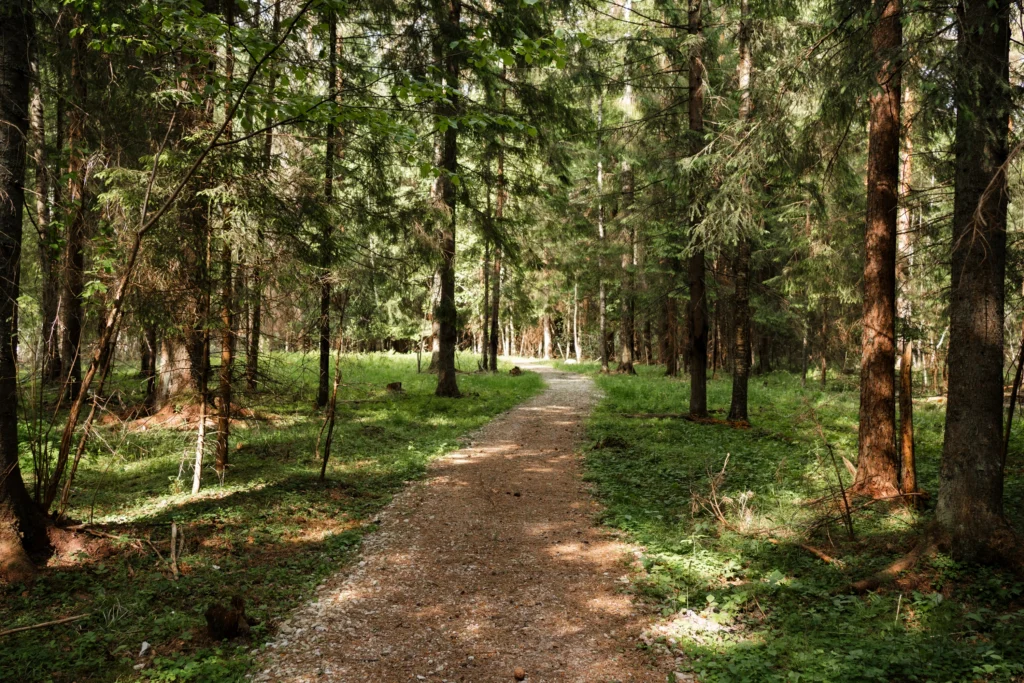
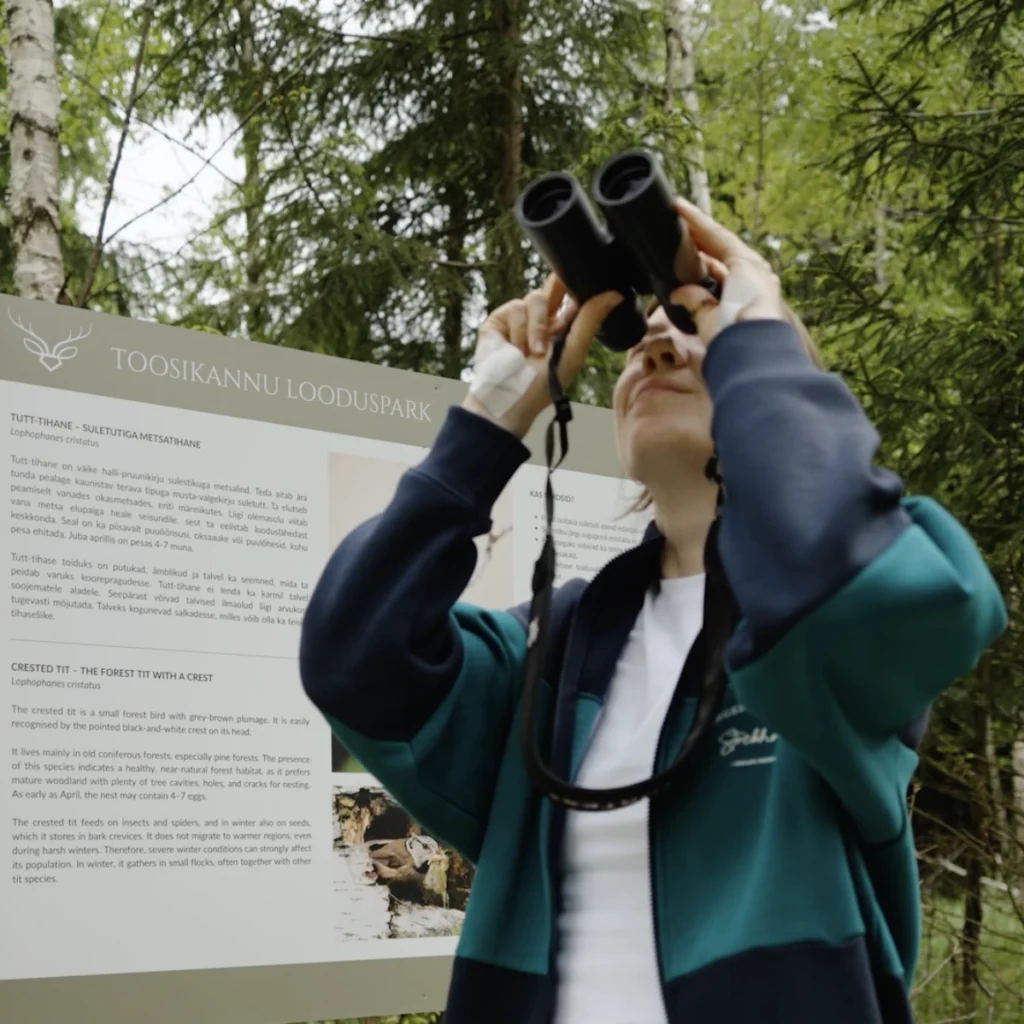
The Toosikannu Nature Trail invites you to discover the varied landscapes of Estonia’s largest private wildlife park. The approximately 4.5-kilometre trail winds through different forest habitats and landscapes that are home to red deer, mouflons, roe deer and many other wild animals and birds.
Information boards along the way introduce the local flora, fauna and hidden rhythms of the natural world. The animals roam freely within the park, so every walk offers the possibility of noticing something new.
This is a place for those who love to explore, move and spend time surrounded by nature. Walk quietly, keep your eyes and ears open, and let the wild surprise you.
Experiences in the Nature Park
Create a memorable day or escape in the heart of Toosikannu Nature Park.
Guest favourites
Self-drive wildlife safari
An experience that takes you straight into the heart of nature. Observe red deer moving to their own natural rhythm and encounter the beauty of the wild up close—an exciting and memorable adventure for every nature lover.
Guest favourites
Explore the Toosikannu Nature Trail
Step into the wild and discover the nature park at your own pace. Follow the easy-to-walk trail, explore engaging information boards and keep your eyes open for red deer, mouflons and other woodland inhabitants along the way.
Guest favourites
Deer antler workshop
Create a memory you can take home with you. In the antler workshop, you’ll craft nature-inspired keepsakes from genuine antlers found in the forests of Toosikannu.
The perfect holiday starts right here, right now
Share your plans with us, and we’ll help create the right experience for you.